Strategic Responses to Beverage Alcohol Tariffs
Tariffs are now central to U.S. economic and geopolitical strategy, necessitating strategic responses for the alcohol and spirits industry.
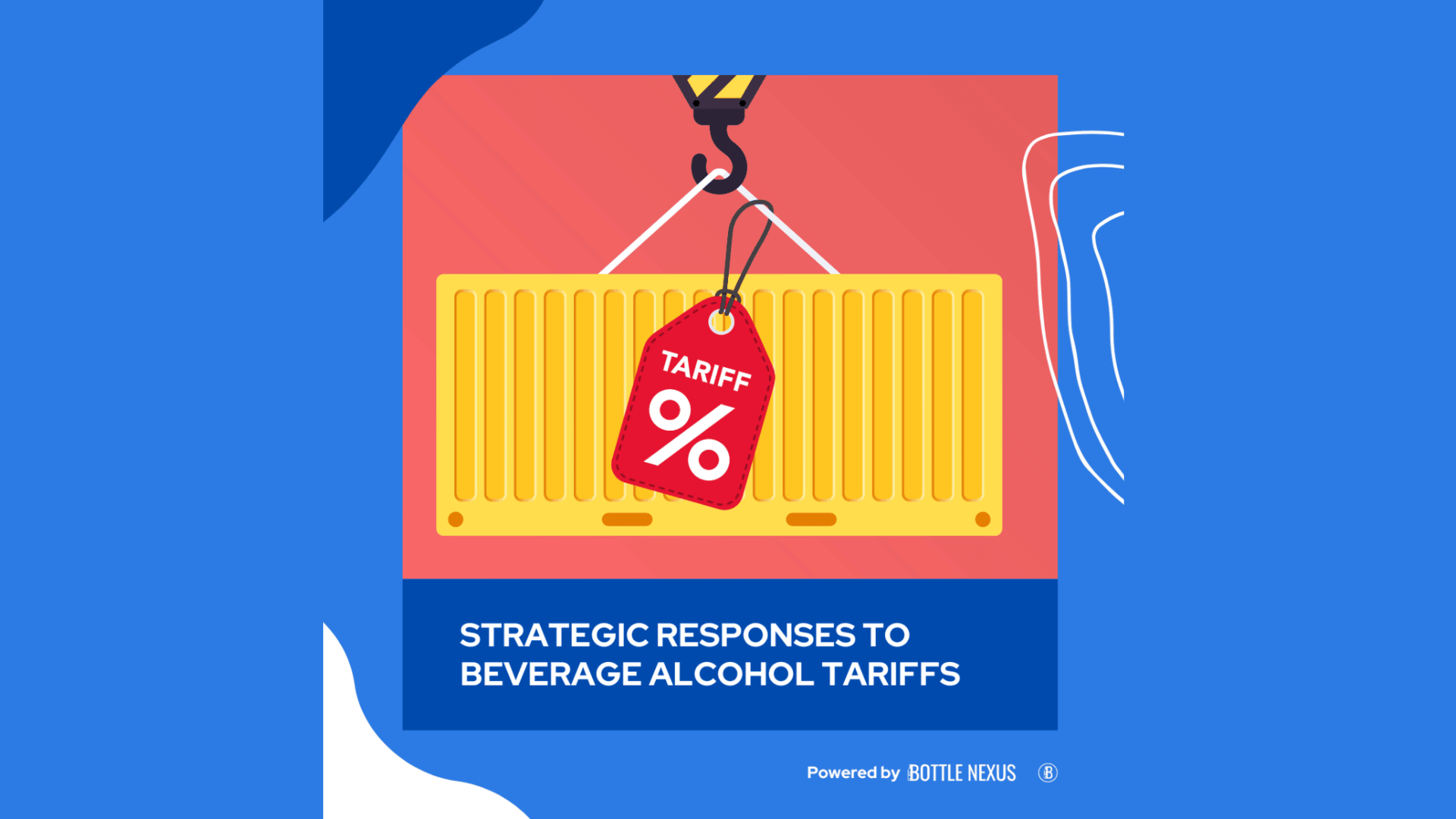
Tariffs are now central to U.S. economic and geopolitical strategy, significantly impacting the alcohol and spirits industry. The Bottle Nexus network powers more than 400 alcohol beverage brands, affiliate influencers, and marketplaces, helping them adapt through strategic short-term and long-term responses.
Tariffs as a Major Cost Driver:
The substantial tariffs on imports create significant cost inflation for businesses. This requires companies to rethink pricing and supply chain strategies to maintain profitability. The beverage and alcohol industry, with its tight margins and reliance on specific geographic products, is particularly vulnerable.
Supply Chain Complexity and Tariff Volatility:
The unpredictability and frequent changes in tariff rates disrupt supply chains, causing delays and forcing costly reconfigurations. Supply chains often take years to adjust, and businesses must develop both immediate and long-term plans to manage these disruptions. Short-term actions can mitigate impact, but long-term resilience requires structural changes.
Exemptions and Carveouts are Critical:
The USMCA agreement provides important tariff exemptions for goods from Canada and Mexico, such as Canadian wheat malt and Mexican tequila, which are vital for beverage alcohol producers. Understanding these exemptions and complying with trade agreements can significantly reduce tariff exposure.
Pricing Impact and Consumer Pass-Through:
Tariffs increase the landed cost of goods, which distributors then pass on to consumers, often resulting in steep price increases. While companies may hesitate to raise prices, experience suggests that consumers usually accept small quantity losses in exchange for absorbing higher unit costs, making price increases a viable strategy.
First Sale Rule as a Tactical Advantage:
The first sale rule allows importers to pay tariffs based on the initial transaction price rather than subsequent higher prices in the supply chain. This can greatly reduce duty payments but faces challenges from Customs and Border Protection, highlighting the importance of legal and regulatory vigilance.
Contractual and Logistical Flexibility:
Reviewing and renegotiating contracts to clarify responsibilities via Incoterms and including clauses for tariff cost-sharing, cancellations, or substitutions is essential for managing risk. Additionally, adjusting purchase orders to shorten lead times and diversify suppliers helps maintain agility in a volatile trade environment.
Leveraging Resources and Monitoring:
Proactive monitoring of tariff developments should be institutionalized as a weekly KPI within companies, enabling rapid responses to policy changes. Utilizing government resources like HTS codes, USTR announcements, and Customs and Border Protection guidance helps businesses stay informed and compliant.
Let’s make
great connections.
You bring the spirit. We bring the technology to connect your brand with what comes next.
Meet Bottle Nexus